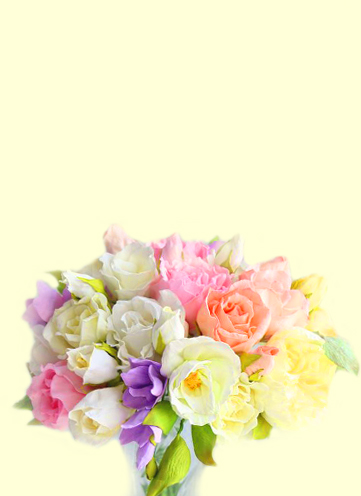
Wedding flowers price checklist for Harefield Village ceremonies
Posted on 15/10/2026
Planning wedding flowers can feel deceptively simple at first. Then the quotes arrive, the bouquet ideas multiply, and suddenly you are comparing ribbon colours, ceremony arrangements, buttonholes, and delivery timing all in one breath. If you are looking for a Wedding flowers price checklist for Harefield Village ceremonies, this guide is built to make the process calmer, clearer, and far less expensive in the "surprise, we forgot that bit" sense.
Harefield Village has its own pace. A ceremony here might be intimate and traditional, or relaxed and modern, but the flower budget still needs the same thing: a sensible breakdown. In this article, we will walk through what should be priced, where costs usually creep in, how to compare options properly, and how to avoid the common mistakes that leave couples stretched or disappointed. To be fair, flowers are one of those wedding details that look effortless only when someone has planned them properly.
You will also find a practical checklist, a comparison table, and a realistic example to help you plan with confidence. If you want lovely flowers without guesswork, you are in the right place.
Table of Contents
- Why the wedding flowers price checklist matters
- How the checklist works for Harefield Village ceremonies
- Key benefits and practical advantages
- Who this is for and when it makes sense
- Step-by-step guidance
- Expert tips for better results
- Common mistakes to avoid
- Tools, resources and recommendations
- Law, compliance, standards, or best practice
- Options, methods, or comparison table
- Case study or real-world example
- Practical checklist
- Conclusion
- Frequently asked questions
Why Wedding flowers price checklist for Harefield Village ceremonies Matters
Wedding flowers are rarely just "the bouquet". They shape the visual tone of the ceremony, appear in photos all day, and often carry emotional weight as well. In a place like Harefield Village, where many couples want the day to feel polished but not overdone, a price checklist helps you keep the nice parts while trimming the bits that are less important.
Without a checklist, flower spending tends to drift. You start with one bridal bouquet, then add bridesmaid bouquets, then buttonholes, then table flowers, then maybe a statement arrangement for the aisle. Before long, the total has become a little slippery. Not wildly out of control, maybe, but enough to create stress. And stress has a way of showing up on the wedding morning no one needs that.
A good checklist does three things:
- It makes each floral item visible before you agree to it.
- It helps you compare what is included in each quote.
- It gives you a framework for prioritising the most important flowers first.
For Harefield Village ceremonies, that matters because the venue, ceremony style, season, and delivery timing all influence price. A church service, a registry-style ceremony, or a reception nearby may need very different floral setups. The checklist helps you decide what the flowers are actually doing for the day, rather than just buying more because it sounds lovely.
Expert takeaway: the best flower budget is not the lowest one; it is the one that matches your ceremony priorities, holds up on the day, and leaves no awkward surprises in the invoice.
How Wedding flowers price checklist for Harefield Village ceremonies Works
The checklist works by breaking your floral plan into practical parts. Instead of thinking only in terms of "wedding flowers", you separate the order into products, labour, delivery, and setup. That is the bit many couples miss. Flowers themselves are only one part of the cost.
Here is the basic structure:
- Choose the ceremony flowers you genuinely need. Start with bridal bouquet, bridesmaid bouquets, groom buttonhole, and any key ceremony pieces.
- Add venue-specific items. Think about aisle arrangements, pedestal displays, registrar table flowers, or pedestal urns if appropriate.
- Consider reception flowers separately. Table arrangements, top table flowers, and entrance displays can quickly become a separate budget line.
- Check what is included in design and preparation. Some florists include consultation, conditioning, styling, and installation; others price those separately.
- Review delivery and setup timing. Local delivery in and around Harefield may be simpler than a wider London drop, but it still needs planning.
- Account for seasonal availability. If you want peonies out of season, for example, pricing usually shifts. That is normal.
When you use the checklist this way, you can see the full shape of the spend. It also helps you spot where a quote is generous and where it is oddly vague. A vague quote is never your friend, honestly.
For couples planning a cohesive floral look, browsing wedding-specific ranges can be useful. For example, the wedding collection and the dedicated wedding flowers in Harefield page can help you understand the kinds of pieces commonly offered for ceremonies and receptions.
Key Benefits and Practical Advantages
A price checklist is not just about saving money, though that is certainly part of it. It also helps you make better design choices. You stop paying for items that do not change the guest experience much, and you spend more deliberately on the flowers everyone will actually notice.
1. Better budget control
Flowers can be adjusted in many ways. Stem choice, bouquet size, arrangement style, vessel type, and installation complexity all change the price. A checklist helps you separate the "must-have" items from the "nice-to-have" ones, so the budget stays workable.
2. More meaningful comparisons
Two quotes may look similar at first glance. But one may include consultation, florist choice stems, and delivery, while the other excludes setup and ribbon. If you do not have a checklist, you are comparing apples with pears, and not even the nice pears.
3. Less last-minute stress
Wedding mornings are busy enough. If the floral plan is clear beforehand, nobody is chasing missing buttonholes or wondering whether the table garlands are arriving before the ceremony starts. That calm matters.
4. Stronger visual consistency
When you budget item by item, you can create a coherent palette rather than a patchwork of random add-ons. A few well-placed arrangements usually look better than lots of loosely matched extras.
5. Easier seasonal planning
Seasonality is a real pricing factor. Choosing flowers that are naturally available in the right month often gives you better value and a fresher finish. That is especially useful if your Harefield Village ceremony sits in spring or early autumn, when certain blooms are plentiful and others are less predictable.
Who This Is For and When It Makes Sense
This checklist is for anyone planning a ceremony where flowers matter visually, emotionally, or both. In practice, that means most couples. But it is especially useful if any of these apply:
- You are planning the wedding yourself and want to avoid overspending.
- You are comparing florist quotes and want a clearer way to judge value.
- You have a fixed budget and need to decide where to cut without losing the overall look.
- You want a local, Harefield-friendly floral plan with delivery and setup handled properly.
- You are choosing between simple ceremony flowers and a fuller floral design.
It also makes sense if you have a very specific aesthetic in mind. A classic white-and-green look, a romantic blush palette, or a more textured seasonal arrangement all have different price patterns. The checklist helps you keep the style you want while understanding the cost drivers behind it.
If you are already at the stage of comparing bouquet and buttonhole options, it can help to look at specific products such as the bridal bouquets, bridesmaid bouquets, buttonholes, and table arrangements. Seeing those pieces separately makes the overall budget feel much more manageable.
Step-by-Step Guidance
Here is a practical way to build your flower budget for a Harefield Village ceremony without losing the thread halfway through.
Step 1: List the ceremony essentials
Start with the pieces you know you need. A typical list might include:
- bridal bouquet
- bridesmaid bouquet or bouquets
- groom buttonhole
- best man and key family buttonholes
- small ceremony arrangement or two
Not every wedding needs every item. If your ceremony is intimate, you may only need a few standout pieces. That is absolutely fine.
Step 2: Decide what is for the ceremony and what is for the reception
It helps to keep ceremony flowers and reception flowers in separate columns. The ceremony may only need a handful of impactful arrangements, while the reception could use table pieces, entrance flowers, or a top-table design. Mixing them together often causes budget confusion.
Step 3: Ask what is included in the quote
This is where the real detail lives. Ask whether the quote includes:
- consultation time
- delivery to Harefield Village
- installation at the venue
- collection after the event
- vases, containers, foam, or hire items
- ribbon, pins, and finishing details
One quote might seem cheaper simply because half the work is missing from the price. Happens all the time.
Step 4: Check flower choices against season and availability
Seasonal flowers usually offer stronger value and a more natural finish. If you are attached to particular blooms, ask whether substitutes are possible. A skilled florist will usually suggest a close alternative if a specific stem is unavailable or too costly.
Step 5: Allocate a contingency buffer
Set aside a small contingency for changes, extra stems, or delivery adjustments. It does not have to be large. Even a modest buffer can protect you from awkward decisions later. The small stuff is what gets you, usually at the most inconvenient moment.
Step 6: Confirm the final plan in writing
Once the design is agreed, make sure the final flower list, quantities, colours, and delivery details are written down clearly. This protects both sides and keeps the day running smoothly.
Expert Tips for Better Results
Here are the things that tend to make the biggest difference in real weddings, especially when the couple wants something elegant but sensible.
Use focal flowers where people will actually notice them
Put the strongest blooms in the bridal bouquet, ceremony focal points, or entrance display. Smaller items, like buttonholes, can be simpler without the day feeling underdressed. Guests remember the bouquet photos and the main ceremony styling more than the exact stem count on a boutonniere.
Let the bouquet do the heavy lifting
If you want impact on a tighter budget, put more of the spend into the bridal bouquet and reduce the number of extra arrangements. A strong bouquet can anchor the whole floral story.
Choose flexible colours if you want better value
Colours that work across several seasonal flowers usually give more flexibility. Soft whites, greens, blush tones, lilacs, and mixed textures often offer more room for a florist to source well-priced stems.
Ask about repurposing flowers
Some ceremony flowers can be moved to the reception after the vows. That can be a smart way to stretch the budget, provided the venue and logistics allow it. It is a tidy solution when it works.
Think about sightlines, not just quantity
A few well-placed arrangements can frame a ceremony beautifully. You do not need flowers everywhere. You just need them where the eye naturally lands.
Be honest about your priorities
If one element matters more than the rest, say so. Maybe you want a bouquet that feels lush and romantic, while the buttonholes can stay minimal. Or maybe the ceremony arch matters most. A florist can work with that. They can usually do more with clarity than with a vague "make it nice".
Common Mistakes to Avoid
Most flower budget problems are not dramatic. They are just a series of small misunderstandings that add up. The good news? They are very avoidable.
1. Comparing quotes without checking what is included
This is the biggest one. A lower price is not automatically better if it excludes setup, delivery, or key arrangements.
2. Over-ordering ceremony flowers
It is easy to get carried away. More is not always better. Too many disconnected pieces can actually make the day feel less cohesive.
3. Ignoring seasonal availability
Choosing out-of-season flowers can push the budget up quickly. If a particular bloom is non-negotiable, factor that in from the start rather than treating it as a small extra.
4. Forgetting travel and handling
Even local delivery has a cost. Flowers need careful transport and timing, especially for delicate arrangements. It is not just a van pulling up and everyone waving cheerfully.
5. Leaving buttonholes and corsages to the last minute
Small items are easy to overlook, but they still need planning. They are also often the items that cause morning stress because someone suddenly asks, "Did we order one for Dad?"
6. Not checking venue rules
Some venues have limits on candles, confetti, adhesives, or where arrangements can be placed. Flowers are usually straightforward, but setup rules still matter.
Tools, Resources and Recommendations
You do not need a complicated system to manage your flower budget. A simple spreadsheet, notes app, or wedding planning list is usually enough. What matters is consistency.
Useful ways to organise the price checklist
- Spreadsheet columns: item, quantity, unit price, included extras, delivery, notes.
- Colour-coded list: ceremony, reception, optional extras, and confirmed items.
- Photo reference board: useful for keeping shape, texture, and colour palette aligned.
It also helps to browse flower styles and product families before you commit. For example, if you are comparing bouquet formats, a product like a bridal bouquet design or a matching bridesmaid bouquet can give you a clearer sense of proportion and style.
If you are planning a broader floral order beyond the ceremony, you may also want to look at the florist's general Harefield florist page for service context, or the wider about us information if trust and process matter to you. That can be reassuring when you are choosing who to work with.
And if you are thinking beyond the wedding day itself, flower care guidance can be surprisingly handy. A bouquet that arrives beautifully is one thing; keeping it fresh until the ceremony is another. A quick look at flower care advice can help with that practical side.
Law, Compliance, Standards, or Best Practice
Wedding flower planning in the UK is not usually a heavily regulated activity for the customer, but there are still sensible standards and expectations worth keeping in mind. This is less about legal complexity and more about clear trading practice, fair communication, and safe delivery.
Here are the main points to keep in view:
- Be clear about the final order. Written confirmation helps prevent misunderstandings over flower types, quantities, colours, and setup.
- Check delivery terms carefully. Delivery windows, access details, and venue handover arrangements should be agreed in advance.
- Understand substitution policies. Seasonal flowers may be substituted if supply changes. Good florists explain this clearly and try to keep the style intact.
- Review payment and refund terms. Wedding flowers are often prepared in advance, so cancellation and refund rules can differ from standard retail flower orders.
- Respect venue rules. Harefield Village ceremony spaces may have specific access or installation requirements. Planning around those avoids unnecessary drama on the day.
From a best-practice point of view, transparency matters most. A clear quote, a clear timeline, and a clear sign-off process are the hallmarks of a professional floral order. If you are being asked to approve something, you should be able to see exactly what you are approving.
Options, Methods, or Comparison Table
Not every wedding needs the same flower setup. In fact, a sensible checklist usually makes it easier to choose the right style of service. Here is a practical comparison of common approaches.
| Option | Best for | Typical strengths | Potential downside |
|---|---|---|---|
| Simple ceremony-only flowers | Smaller weddings or tighter budgets | Focused spend, easy to manage, less setup | Less visual impact if the space is large |
| Mixed ceremony and reception flowers | Couples wanting a fuller look | Consistent styling across the day | Can get expensive if every area is floral-heavy |
| Statement bouquet plus minimal extras | Style-led weddings | Strong photos, controlled spend | Other areas may feel simpler |
| Repurposed flowers from ceremony to reception | Budget-conscious couples | Good value, less waste | Requires careful timing and venue cooperation |
There is no single "best" method. The right choice depends on your guest count, venue layout, and how much visual emphasis you want the flowers to carry. For example, if the ceremony space is already attractive, a lighter touch can be enough. If the room is plain, the flowers may need to do more work.
For couples wanting a cohesive wedding look, the broader weddings range can help you compare bridal bouquets, bridesmaid options, buttonholes, and table pieces in one place.
Case Study or Real-World Example
Let's imagine a Harefield Village ceremony for a couple who want a classic, calm look without overspending. They care most about the bridal bouquet, the ceremony table, and a few buttonholes for close family. They do not want a room filled with flowers. Just the right amount. Sensible, really.
Their first instinct is to request everything: large bouquet, three bridesmaid bouquets, six buttonholes, two pedestal arrangements, aisle flowers, table arrangements, and an entrance display. Once they write it down, though, they realise that several of those items will barely be seen in the ceremony photos, and a couple are more "nice idea" than essential.
They revise the plan:
- one standout bridal bouquet
- two smaller bridesmaid bouquets
- three buttonholes
- one ceremony arrangement for the registrar or front table
- two repurposed arrangements for the reception tables
By doing that, they keep the visual impact where it counts and remove the less useful extras. The result is a cleaner floral story and a simpler budget. Not bare. Not overblown. Just well judged.
That kind of decision is exactly what the checklist is for. It helps couples avoid the emotional trap of ordering for imagined perfection rather than the actual day. And the actual day is what matters.
Practical Checklist
Use this as a working checklist while you compare quotes for your Harefield Village ceremony.
- Confirm the ceremony date, start time, and venue access details.
- List the bridal, bridesmaid, and buttonhole requirements.
- Decide whether you want any reception flowers too.
- Choose your colour palette and preferred style.
- Ask which flowers are seasonal or most cost-effective.
- Request a written quote with itemised pricing.
- Check whether delivery and setup are included.
- Ask about containers, vases, ribbons, and hire items.
- Confirm what happens if a flower is unavailable.
- Set a contingency budget for small adjustments.
- Review cancellation, refund, and payment terms.
- Confirm final quantities in writing before the wedding.
- Keep one person responsible for final floral sign-off.
Quick tip: if a flower item does not add to the ceremony photos, the guest experience, or the atmosphere in a meaningful way, it is probably the first thing to question.
Conclusion
A good Wedding flowers price checklist for Harefield Village ceremonies gives you something surprisingly valuable: calm. It helps you understand what you are paying for, where the important choices are, and how to keep the floral design beautiful without letting the budget wander off on its own.
If you remember only one thing, make it this: price the flowers by function, not by impulse. Ceremony focus first. Then reception. Then extras. That order tends to save money and improve the final look.
And if you are still in the early planning stage, that is fine too. Most couples are. Take it one step at a time, ask for clear quotes, and choose the flowers that feel right for the day you are actually having. A well-planned floral budget has a quiet kind of confidence to it, and honestly, that suits a wedding beautifully.
Get a free quote today and see how much you can save.
Frequently Asked Questions
How much should I budget for wedding flowers for a Harefield Village ceremony?
It depends on the number of items, the flower types, and whether you need delivery and setup. A smaller ceremony with a bridal bouquet, buttonholes, and one or two arrangements will usually cost less than a full ceremony-and-reception setup. The safest approach is to budget by item rather than guessing a single total.
What flowers are usually included in a wedding quote?
Common inclusions are the bridal bouquet, bridesmaid bouquets, buttonholes, ceremony arrangements, and sometimes reception table flowers. But not every quote includes delivery, installation, or hire items, so always check the detail line by line.
Is it cheaper to use seasonal flowers?
Usually, yes. Seasonal flowers are often easier to source and may give you better value. They also tend to look more natural at the time of year you are getting married. If you want a specific out-of-season flower, expect the price to reflect that.
Do I need flowers for both the ceremony and the reception?
No, not necessarily. Some couples choose a ceremony-only design and let the venue do the rest. Others want flowers carried through the whole day. The best choice depends on your budget and how much floral impact you want.
What should I ask when comparing florist quotes?
Ask what is included, whether delivery and setup are covered, whether the quote is fixed or subject to substitution, and whether any containers or hire items are extra. That is usually where the hidden differences live.
Can I reuse ceremony flowers at the reception?
Often, yes. Repurposing ceremony flowers can be a smart way to improve value, but it depends on timing, venue access, and whether someone is available to move them. It works best when planned in advance.
How far in advance should I book wedding flowers?
As soon as you have your date and a rough floral idea, especially if your ceremony is in a busy season. Early booking gives you more choice and more time to refine the budget. Leaving it late can reduce flexibility.
What is the biggest mistake couples make with wedding flower budgets?
The biggest mistake is not comparing quotes like for like. A quote that looks cheaper may exclude delivery, setup, or certain flower types. Another common mistake is adding too many small extras that do not change the overall look very much.
Are buttonholes and corsages worth budgeting for?
If you want a polished, coordinated look, yes. They are small, but they do make a difference in photos and at close range. That said, they are also easy to simplify if the budget is tight.
Should I choose a full bespoke design or a ready-made wedding collection?
If you want maximum control and have a very specific vision, bespoke may suit you better. If you want a cohesive look with less decision fatigue, a wedding collection can be a practical option. Either can work well, as long as the contents are clear.
What if my chosen flowers are unavailable closer to the wedding?
A good florist will usually suggest suitable substitutions that preserve the style and colour palette. This is one reason it helps to agree the overall look, not just a single stem list. A flexible brief is often the safest route.
How can I keep wedding flowers looking good on the day?
Keep them cool, follow any care instructions, and make sure delivery and setup timings are agreed clearly. If arrangements arrive early, they should be stored in suitable conditions. A quick conversation about flower care goes a long way.